Including extracurricular activities on a resume
Adding extracurricular activities to your resume is a great way to show employers that you have the skills and personality traits needed to succeed in the professional world. In this article, we'll explore the right way to add extracurriculars to your resume and share examples to help you write your own application.
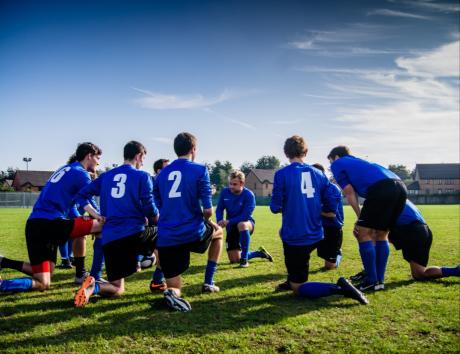
If you're a student or recent grad, including extracurricular activities on your resume helps show potential employers that you are a well-rounded individual with diverse interests and a variety of qualities that can serve you in the workplace. Many employers are placing increasing importance on hiring individuals who mesh well with the existing team, so they often want to know what interests you and gain insights into your personality to ensure that you’ll be a good fit.
In this article, we'll cover situations where it makes sense to include extracurriculars on your resume, what types of activities are the best to include, and what skills they demonstrate to a potential employer.
What are extracurricular activities?
Extracurricular activities are the things that students do in addition to their basic school curriculum, such as sports, student government, clubs, hobbies, and so forth. Including these activities on your resume can show what benefits you can bring to an employer despite not having much or any professional experience.
Expert Tip
If you're currently in school and don't participate in any extracurricular activities, now is a great time to start thinking strategically about which ones can showcase the skills needed to get a job in your desired field. For example, if you hope to work in healthcare, volunteering in a nursing home is a great extracurricular activity to add to your resume.
When to include extracurricular activities on your resume
The most common example of when to list extracurricular activities is when you are creating a resume with no work experience, and you need to fill up space on the page. In this case, highlight your extracurriculars and demonstrate how those activities have allowed you to develop skills and qualities that are transferable to the workplace. You can add bullet points below each activity to include skills, awards, and other details.
You can also include extracurricular activities as a way to show your leadership skills. Leadership ability is one of the most desirable qualities that you can have as a job seeker, and including activities that actually show your leadership skills in action is much more effective than simply listing ‘leadership’ in your skills section.
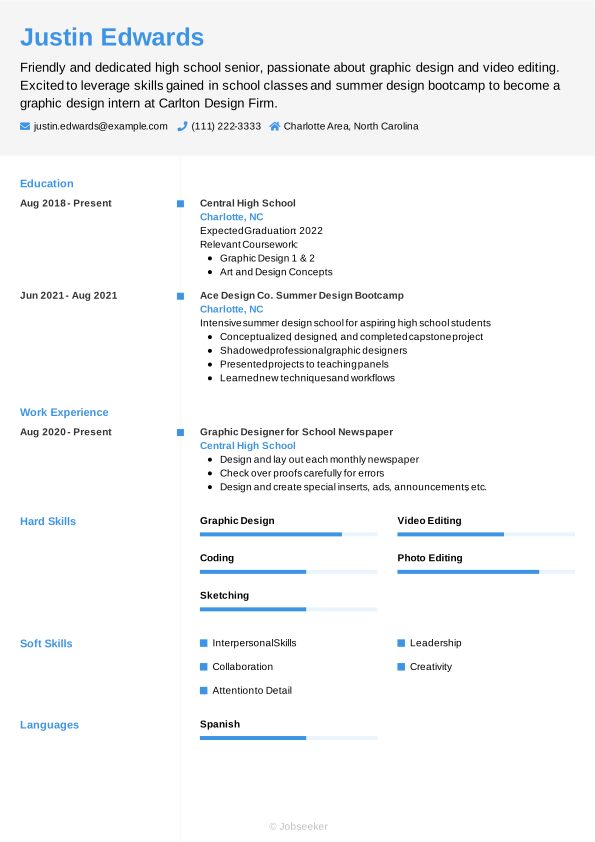
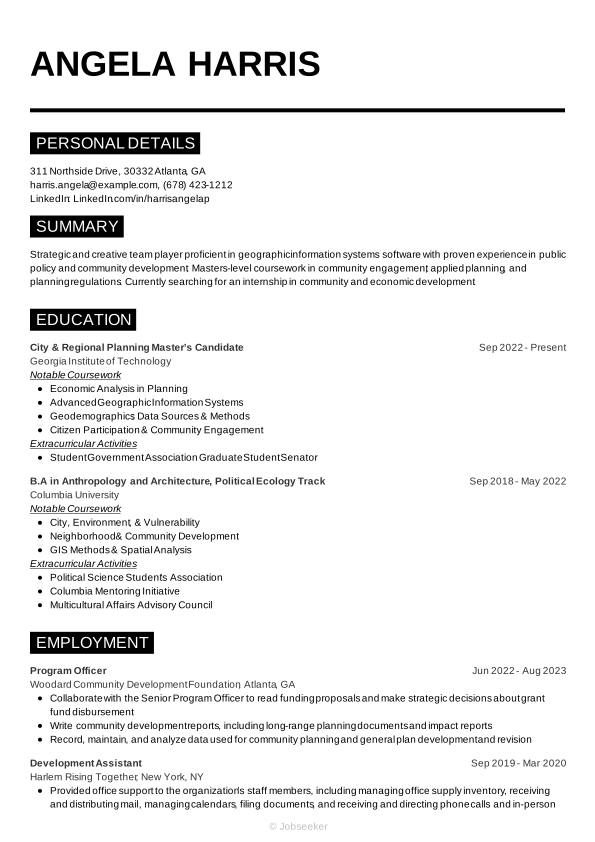
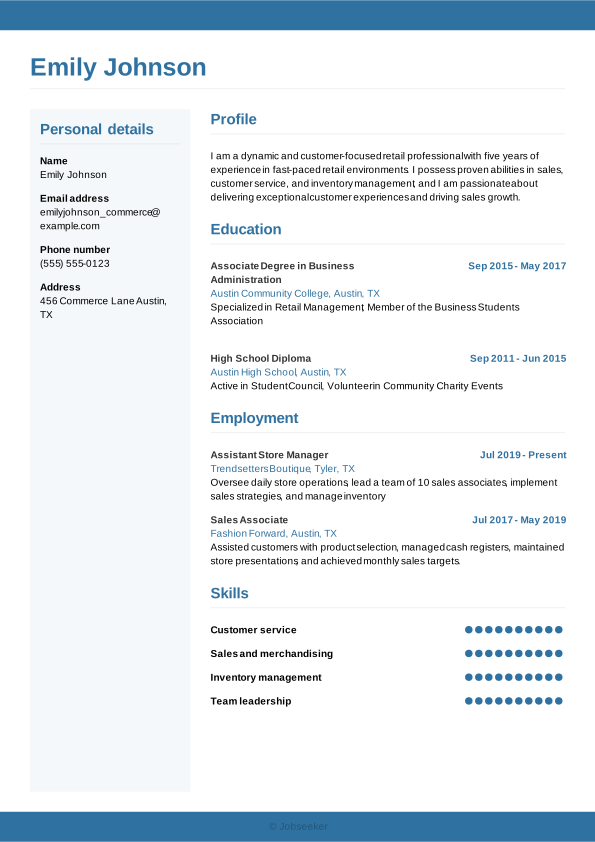
You can get started crafting a great resume by modifying one of Jobseeker's expertly written resume examples below – all of them contain a section for extracurricular activities!
Extracurricular activities vs. hobbies and interests
The term "extracurricular activity" is generally only used for those who are currently in school or who have recently graduated and are referring to activities they did during their education. If you are no longer in school and pursue activities outside of work, those are usually referred to as hobbies and interests. You can include your hobbies and interests on your resume if the situation calls for it.
However, you’ll want to stick to one or the other – don’t include an extracurricular activities section and a hobbies and interests section. If you are a student, your hobbies will go under extracurriculars, and if you are out of school you generally don’t need to include extracurriculars on your resume.
Extracurricular activities
- Often organized by a school or institution
- Structured with schedules, rules, or goals
- May involve evaluation, leadership roles, or recognition
Hobbies
- Chosen for personal enjoyment and relaxation
- Usually informal and self-directed
- No grades, evaluations, or official supervision
Examples of extracurricular activities for resumes
Here are nine main categories of extracurricular activities, along with a few examples and the key skills developed from each type of activity.
1. Sports
Participating in organized sports shows potential employers that you are dedicated, know how to work as part of a team, and care about your physical health and well-being. You might also wish to list transferable skills like perseverance, communication, strategizing, and collaboration in association with your sports experience on your resume. Additionally, if you were a team captain, you could mention that as a demonstration of your leadership skills.
- Key skills developed: Self-motivation, teamwork, people skills, a strong work ethic, dedication, reliability, strategizing, collaboration, communication, quick thinking, time management, and leadership.
- Examples of sports extracurriculars: Varsity or junior varsity athletics, club or travel sports teams, intramural leagues, individual competitive sports such as tennis, swimming, or track, team captain roles, athletic training programs, and recreational leagues.
2. Arts
Activities like theater, music, photography, and art are also excellent extracurriculars to include on your resume. These types of pursuits can show that you are creative, have a good memory, are detail-oriented, and are dedicated to improving your skills. Many artistic ventures also involve some type of public performance or showcase, which tells employers that you can present to a group and have experience with public speaking or performing.
- Key skills developed: Creativity, strong memory, critical thinking, presentation skills, public speaking, attention to detail, dedication, and passion.
- Examples of arts extracurriculars: Band, orchestra, choir, theater productions, dance teams, visual arts clubs, photography groups, film clubs, creative writing workshops, and participation in performances, exhibitions, or competitions.
3. Volunteering
Volunteer work allows you to give back to your community, and employers will certainly take note of your goodwill towards others. Many people volunteer in niches that interest them or which they are passionate about, so the details of your volunteer work can provide additional insight into your personality.
- Key skills developed: Altruism, a willingness to serve, motivation, self-starter skills, optimism, teamwork, and passion.
- Examples of volunteering extracurriculars: Community service organizations, nonprofit or charity work, food banks, shelters, environmental cleanups, hospital volunteering, tutoring underserved populations, and service-based initiatives.
4. Student Leadership
Including your role in student leadership on your resume makes it clear to potential employers that you have leadership ability and that you are mature and reliable. Since most student body government positions are election-based, winning a position shows that you are a good communicator, well-liked and respected by your peers, and capable of making large-scale decisions.
- Key skills developed: Leadership, teamwork, communication, critical thinking, persuasion, maturity, reliability, fundraising skills, collaboration, decision making, and event planning abilities.
- Examples of student leadership extracurriculars: Student government, class officer positions, committee chairs, peer leadership programs, orientation leaders, event coordinators, and leaders of student organizations or initiatives.
5. Studying Abroad
Studying abroad instills a sense of cultural awareness, independence, and knowledge of the world. It suggests that you are adaptable, able to overcome challenges (like language barriers, potentially), and willing to step outside of your comfort zone. Studying abroad can also be a great cover letter topic that catches a hiring manager’s interest and sparks conversation in an interview. Plus, if you studied somewhere where a different language is spoken, it can help you develop strong foreign language skills quickly through language immersion.
- Key skills developed: Cultural awareness, foreign language skills, adaptability, stress tolerance, problem-solving, independence, and interpersonal skills.
- Examples of studying abroad extracurriculars: Semester or year-long international study programs, short-term academic travel courses, exchange programs, international internships, and language immersion experiences.
6. Tutoring or Mentoring
Tutoring or mentoring your peers or younger students suggests that you are a high achiever, capable of teaching or training others, and dedicated to academic excellence. Teaching allows you to further solidify your understanding of a subject, and you are demonstrating a willingness to spend your free time helping others succeed. Plus, explaining a subject in a way that someone else can understand prompts you to consider other viewpoints, thought processes, and abilities.
- Key skills developed: Communication skills, subject matter expertise, teamwork, creative thinking, patience, flexibility, adaptability, altruism, and teaching ability.
- Examples of tutoring or mentoring extracurriculars: Peer tutoring programs, academic mentoring, teaching assistant roles, after-school tutoring, test preparation mentoring, youth mentorship programs, and volunteer teaching positions.
7. Clubs
Many high schools have a variety of clubs such as a math team, quiz/knowledge bowl, debate club, speech team, and so forth. Membership in these clubs suggests to potential employers that you are intelligent, a good communicator, able to work under pressure, a team player, and highly competent.
- Key skills developed: Subject matter expertise, teamwork, stress tolerance, intelligence, communication, leadership, collaboration, competence, and many more subject-specific skills.
- Examples of club extracurriculars: Academic clubs, debate teams, robotics clubs, cultural organizations, STEM clubs, business or finance clubs, journalism clubs, and special-interest organizations.
8. Professional Society Membership
Colleges and universities often have professional clubs, societies, or fraternities that are either specific to the school or part of a national or international association. Being a member of a society generally suggests that you are skilled and highly involved in the particular field, and that you are committed to professional betterment and networking.
- Key skills developed: Professional society membership develops communication skills, networking abilities, subject matter expertise, and time management.
- Examples of professional society extracurriculars: Student chapters of professional associations, industry-specific societies, academic honor societies, networking organizations, and professional development groups related to a chosen field.
9. Hobbies
Finally, some hobbies may be appropriate to include on your resume. Select hobbies to include on a case-by-case basis and only mention those that are relevant to your target position in some way. Don’t include hobbies that are controversial or too out-there, as this can distract from more important information on your resume and potentially feel aggressive or insincere. On the other hand, avoid including a list of generic hobbies - make each one that you include meaningful and personal.
- Key skills developed: Motivation, discipline, time management, creativity, problem-solving skills, adaptability, consistency, and independent learning.
- Examples of hobby-based extracurriculars: Writing, blogging, podcasting, photography, coding, personal projects, gaming strategy communities, fitness training, music composition, crafting, content creation, or maintaining long-term personal projects.
Expert Tip
When listing hobbies, be specific about your interests and the skills they demonstrate. Rather than simply writing “reading,” for example, you might note that you enjoy reading memoirs by female scientists, which highlights curiosity and analytical thinking. Cerebral hobbies such as chess, word puzzles, and similar activities are generally safe choices to include on a resume because they suggest strategic thinking and problem-solving skills. As always, only include hobbies that you genuinely practice and enjoy.
How To List Extracurricular Activities on Your Resume
Once you've decided to add extracurriculars to your resume, there are a few things to know about how to present them so that they have the most impact as you begin your search for a job or internship. Let's look at some of the places you might add them to your resume:
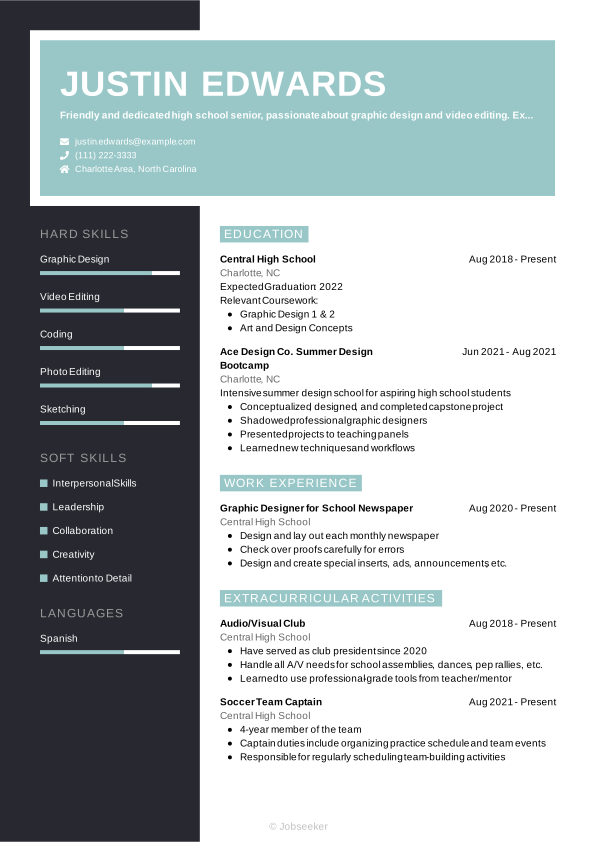
- Education section: If your extracurricular activities are organized through your school or are directly relevant to academics, you can include them as a subsection in your education section. For example, list any school sports, clubs, student government, etc. with your education details.
- Employment history or experience section: If you don't have any professional experience to show but have volunteered in your field or held leadership roles within extracurricular activities, you can add these details as "work experience" and add bullet points explaining the skills you demonstrated.
- Extracurricular section: If you have other work experience to show but still think your activities add value to your resume, you can place them in a separate "Extracurricular Activities" section, where you can combine them with hobbies and interests.
- Volunteer work section: If your extracurriculars include multiple volunteer positions, you can group them together within a volunteer work section. This is a good idea if you also have employment history to show. If you don't, it's better to list these entries under an "Experience" section.
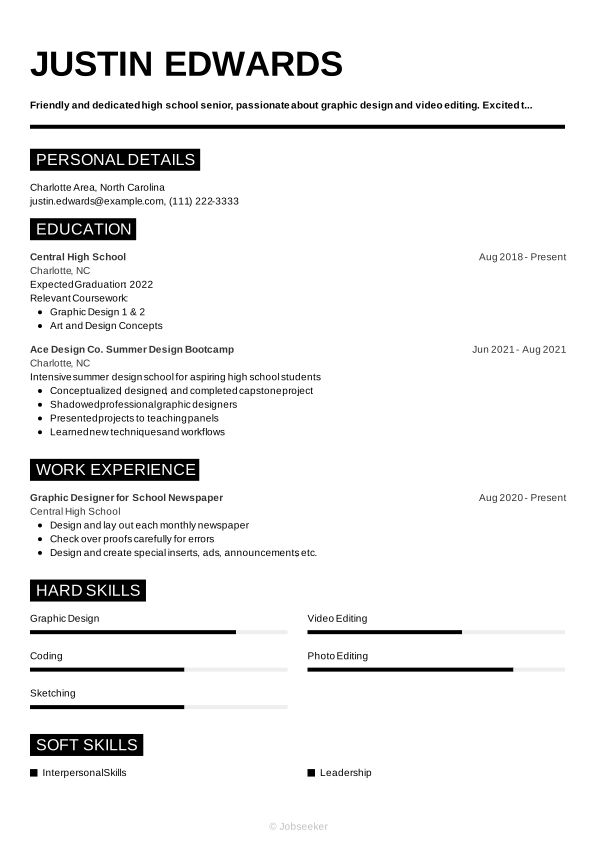
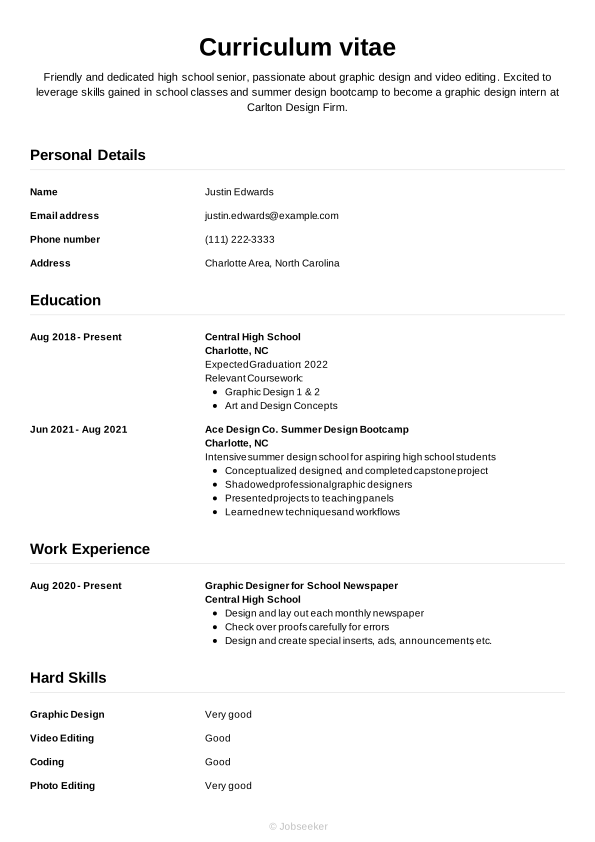
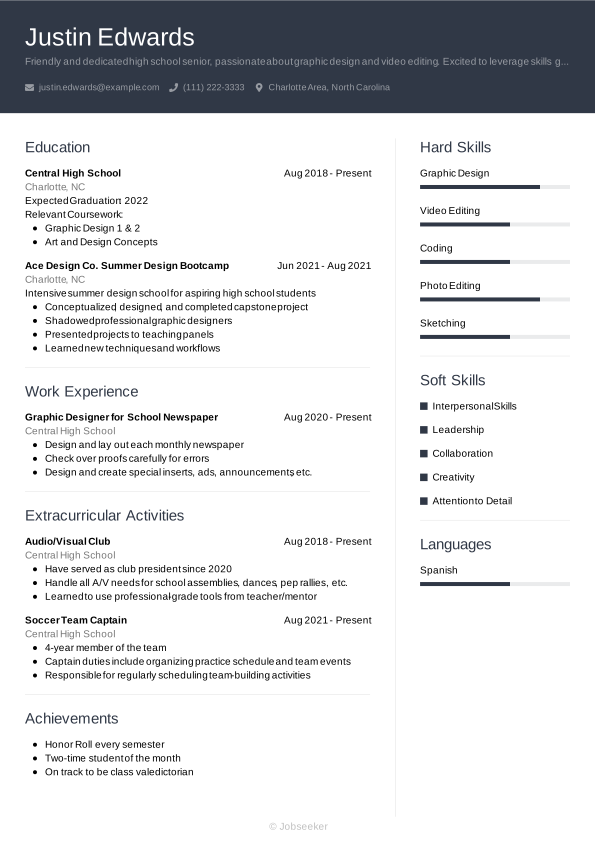
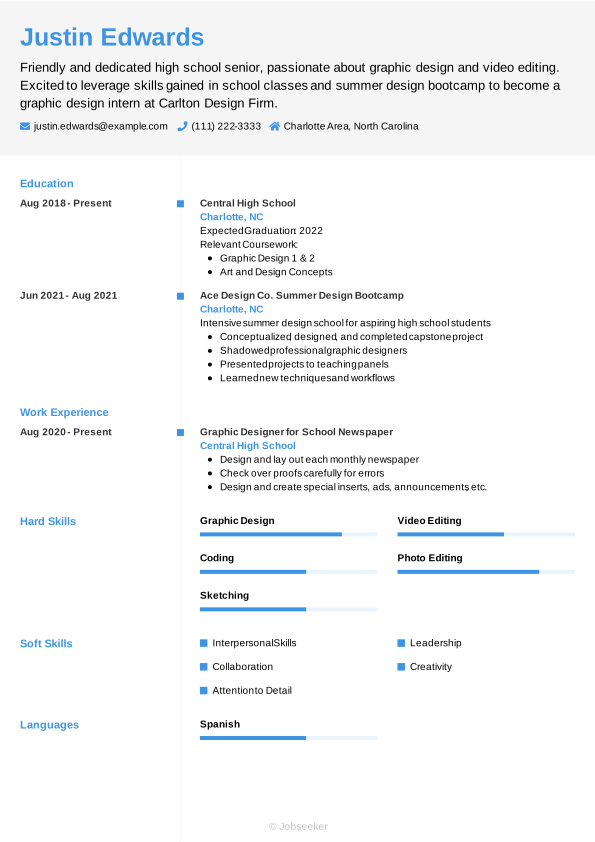
Regardless of whether you include your extracurricular activities in your education section or in a section of their own, it's a good idea to use bullet points under each activity to really drive home the skills that you gained or honed from each one. A resume builder with professional templates like the ones below makes it easy to adjust the formatting of your extracurriculars.
Tailor your extracurriculars to the job posting
Tailoring your resume to each job posting can help it pass applicant tracking system (ATS) scans, score you interviews, and ultimately get you hired for your target position. As such, it’s always a good idea to tailor your extracurriculars as well. Only include those that are relevant to the job or that have allowed you to practice skills that are applicable to the position.
Expert Tip
If your extracurriculars are directly related to the field you are applying to work in or show transferrable skills that are important for the job, it's a smart idea to talk more about them in your cover letter. While resume space is limited, a cover letter allows you to expand on the details of your extracurricular activities and make sure the hiring manager sees why you're the right fit for the company. You can easily create a professional document by using Jobseeker's cover letter examples and library of cover letter templates.
Key takeaways for putting extracurriculars on your resume
Listing your extracurricular activities on your resume can give potential employers an idea of who you are as a person and showcase your transferable skills. Tailor your extracurricular activities to the job posting to ensure relevance and help your resume pass ATS scans. Your extracurriculars can either be placed in your education section if they are school-related or in their own section if not. Be sure to highlight the skills that you’ve learned with bullet points under each activity. If you are no longer in school, use a hobbies and interests section instead of an extracurricular activities section.
For even more help with creating a great job application, make sure to check out Jobseeker's professional resources for resume and cover letter writing.
Extracurricular activities on resumes FAQs
Should I put extracurricular activities on my resume?
If you are a student or recent grad, putting extracurricular activities on your resume is a great idea. Make sure to prioritize any professional experience you might have and choose only the most relevant activities for the job you are applying to.
If you've been in the workforce for at least a year, there is no reason to include extracurricular activities on your resume. You can include them in a hobbies or interests section, although this is often seen as unnecessary for more established professionals.
What are some other ways to say extracurricular activities?
There's nothing wrong with a section called "Extracurricular Activities" on your resume, but if you're looking for other ways to describe them, you could also label them as "Hobbies," "Interests," "Experience," "Volunteer Work," or simply "Activities."

Impress potential employers with your resume
Follow step-by-step professional guidance to create a polished resume in minutes.