Adding Extracurricular Activities to your CV: 10 Examples
Finding a job when you're a student or recent grad can be tough, especially if you don't have much work experience to show. That's where adding extracurricular activities to your CV can help.
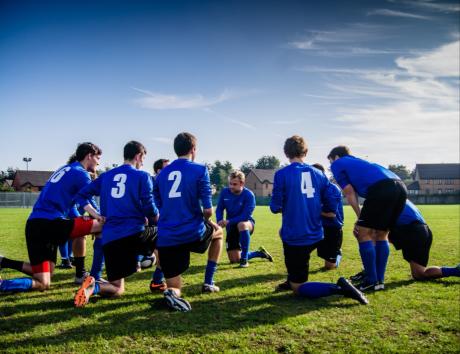
If you're a student or recent grad, you might feel as though you have very little to share on a professional CV. However, if you think back through your time at school, you'll quickly realise that you did more than just sit at a desk. You likely participated in a variety of activities, from sports to arts to special interest clubs. These extracurriculars can actually be a valuable asset when it comes to crafting your first CV.
In this article, we'll,
- show you how to use extracurricular activities to showcase key skills,
- explain which situations it's beneficial for you to add them to your CV,
- offer some examples of activities that can help you stand out from other candidates.
Extracurricular activities on your CV: Why are they important?
The word ‘extracurricular’ refers to educational activities that fall outside the scope of the school or university curriculum. Unlike hobbies, these activities have the purpose of developing skills for the job market.
While you want to primarily focus on your skills, knowledge, and work experience in your CV, your extracurricular activities can boost your application. They show employers that you’re invested in developing your skills and learning new ones—a trait every employer values.
Here are some of the key advantages of including extracurricular activities on your CV:
- Showcasing your soft skills: Extracurricular activities can be an ideal way of showing soft skills that match the job description, especially if you're lacking relevant paid work experience.
- Highlighting leadership and teamwork: Most jobs require an element of teamwork, so team sports and other collective activities can be a great showcase of this. They can also show off your leadership skills which, as a junior candidate, might be difficult to prove through other activities.
- Demonstrating personal interests: If your personal interests align with the values of the employer, or they've helped you gain useful knowledge for the role, it may be worth mentioning extracurricular activities.
- Adding uniqueness and flair: Although employers will rarely make a hiring decision based on your extracurricular activities over work experience or academic qualifications, they can show aspects of your personality that differentiate you from other candidates. In a tight selection process, this can be a difference maker.
Before diving into examples of extracurricular activities to add to your CV, let's look at how you can present them with various CV designs and templates below:
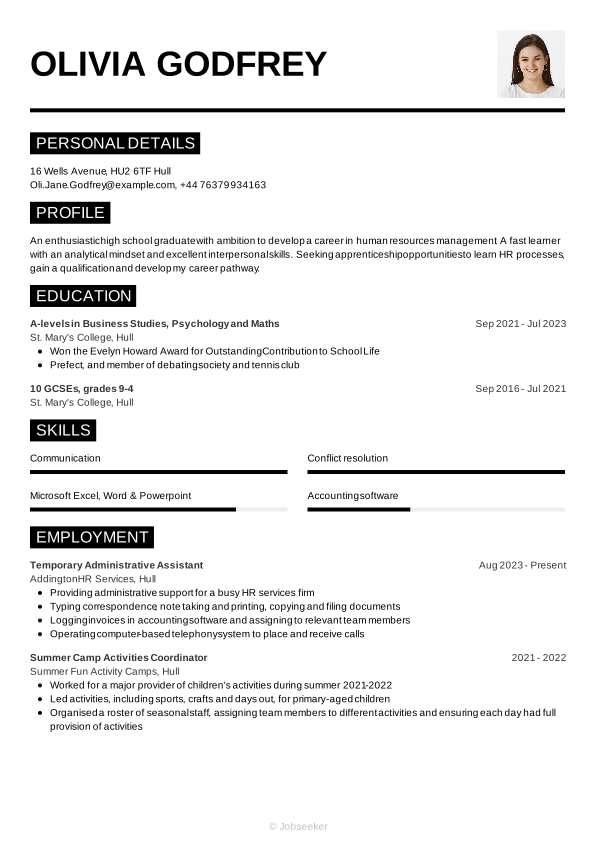
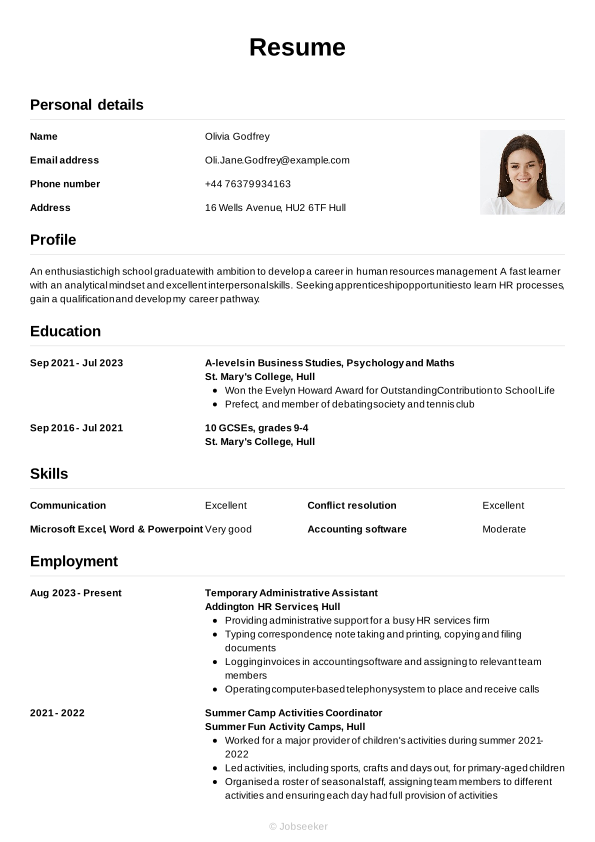
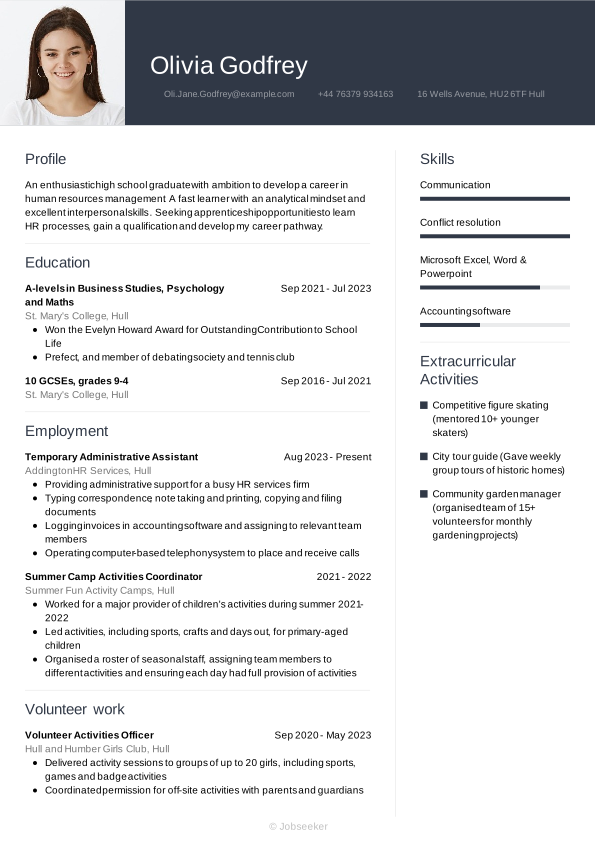
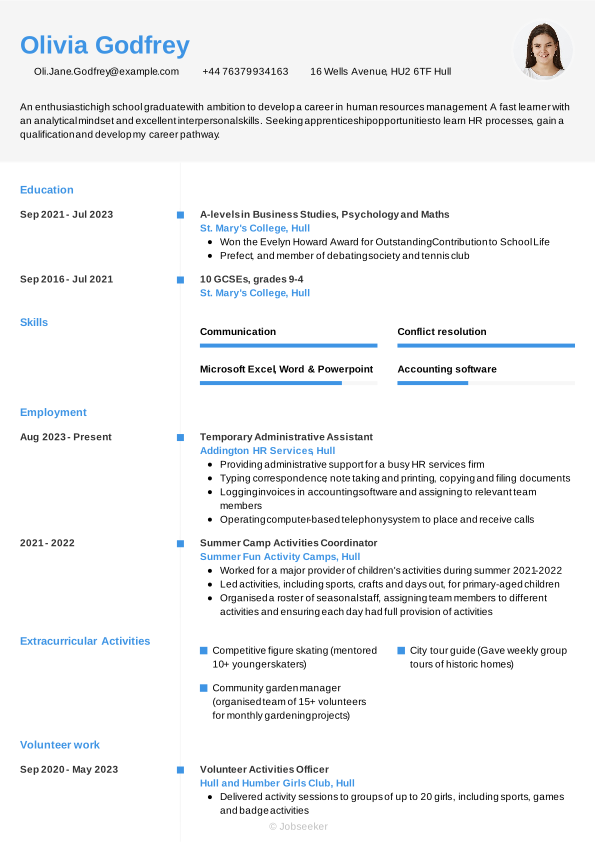
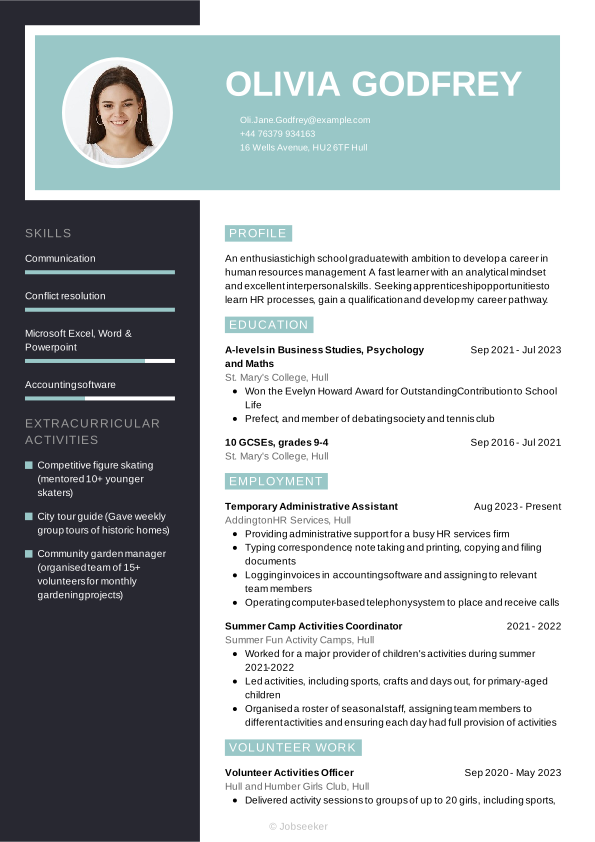
Examples of extracurricular activities to include in a CV
If you choose to mention your extracurricular activities in your CV, you may be wondering which ones to include. The best approach it to mention activities that match the skills mentioned in the job description. That way, employers can see how they relate to the role you’re applying for.
Here are some examples of extracurricular activities that you may want to add to your CV:
1. Sports
Participating in organised sports shows potential employers that you are dedicated and care about your physical health and well-being. They can also demonstrate teamwork, depending on the sport. Additionally, you might wish to list transferable skills like perseverance, communication, strategising, and collaboration in association with your sports experience on your CV.
Additionally, if you were a team captain, that's a great way to demonstrate your leadership skills.
Key skills developed from sports: Self-motivation, teamwork, people skills, strong work ethic, dedication, reliability, strategising, collaboration, communication, quick thinking, time management, leadership
2. Performing arts
Activities like theatre and music are also excellent extracurriculars to include on your CV. These types of pursuits can show that you are creative, have a good memory, are detail-oriented, and are dedicated to improving your skills. Many artistic ventures also involve some type of public performance or showcase, which tells employers that you can present to a group and have experience with public speaking or performing.
Whether you took part in a play, played for the school orchestra, or attended pottery classes, these activities also display a creative side to your personality in your CV as well as teamwork.
Key skills developed from arts: Creativity, strong memory, critical thinking, presentation skills, public speaking, eye for detail, dedication, passion
3. Volunteering
Volunteering allows you to give back to your community, and employers will take note of your altruism and willingness to serve. Delivering meal packages, helping out in charity shops or serving at faith-based organisations are just some examples of volunteering that demonstrate goodwill towards others, as well as compassion and teamwork.
Listing your volunteering activities on your CV lets employers know which causes are close to your heart and gives them an insight into your personality. Additionally, research from Jobseeker suggests employers assess volunteering activities as just as valuable as work experience, with 57.5% of HR professional stating that they view volunteer activities in this way.
Key skills developed from volunteering: Altruism, willingness to serve, motivation, self-starter, optimism, teamwork, passion
4. Languages
For companies with a global customer base, your language skills can set you apart from other candidates. Learning languages demonstrates dedication as well as willingness to learn about new cultures.
You could mention how you developed your skills in language classes, clubs, or tandems. If you’ve had the opportunity to travel or study abroad, those experiences also make for great cover letter topics.
Key skills developed from learning languages: Dedication, willingness to learn, open-mindedness, intercultural awareness, interpersonal skills, global citizenship
5. Tutoring or mentoring
Tutoring or mentoring your peers or younger students suggests that you are a high achiever, capable of teaching or training others, and dedicated to academic excellence. One way to impress employers is to list any peer mentoring programmes you may have taken part in.
Teaching allows you to further solidify your understanding of a subject, and demonstrates willingness to spend your spare time helping others succeed. Plus, explaining a subject in a way that someone else can understand prompts you to consider other viewpoints, thought processes, and abilities.
Key skills developed from mentoring: Communication, subject-matter expertise, teamwork, creative thinking, flexibility, adaptability, altruism, patience
6. Clubs and societies
Clubs and societies are invaluable for developing a whole range of skills. Many secondary schools have various clubs, such as maths club, chess club, debating societies, speech team, and so forth. It takes a lot of time and effort to actively participate in clubs and societies in addition to studying. The wide variety of club roles and responsibilities are also a great addition to CVs, such as club treasurer, social media manager or chairman.
Key skills developed from clubs: Subject-matter expertise, teamwork, leadership, stress tolerance, intelligence, communication, collaboration, competence
7. Student organisations
Getting involved with student representation organisations, such as the National Union of Students, can give you exposure to valuable transferable skills. It can also give you the experience of being involved with a major organisation, similar to being employed by a large company, while you're still studying.
Key skills developed from student organisation participation: Leadership, campaigning, organisation, teamwork, collaboration, political awareness, communication, problem-solving, event planning, advocacy
8. Creative personal projects
Completing a personal project, such as designing and building a website, photography, graphic design, creative writing or arts such as painting, drawing or sculpture can all help to show your creativity and commitment. Whether the role you're applying for is within a creative discipline or not, dedicating time to creating an original work shows many positive qualities and skills that can apply to a wealth of different roles.
Key skills developed from creative personal projects: creative thinking, technical skills (graphic design, coding), self-motivation, concentration, problem-solving
9. Student journalism
Participating in student journalism is a great way to add valuable skills to your repertoire while you study. You could write for a student newspaper, design publications or work as an editor, all of which can help you gain experience working with other people, working to deadlines and developing key skills in writing, design, research and other disciplines.
Key skills developed from student journalism: writing skills, research, design, teamwork, working under pressure, meeting deadlines, collaboration, critical thinking
10. Event organisation and fundraising
Similar to volunteering activities, fundraising and event organisation can expose you to a wide variety of different useful skills that are transferable into the world of work. They can help you gain experience of working with others towards a common goal, as well as meeting targets and deadlines. For event organisation in particular, you can also gain valuable knowledge of project management skills like project planning, risk analysis, budgeting and regulatory awareness.
Skills developed from event organisation/fundraising: teamwork, collaboration, meeting deadlines, project management, budgeting, planning, customer service
Tips for tailoring extracurricular activities for job applications
When deciding which extracurricular activities to add to your CV, there are several things to consider. Not all extracurricular activities are suitable for all types of job applications. Follow these quick tips to ensure you select the extracurricular activities that will make the most positive impact:
Be selective: Review the job description to understand the skills and experience the employer is looking for. From there, pick which extracurricular activities to list based on whether they showcase skills required for the role, that you're not able to prove through work experience or education. |
Show achievements: List what you achieved by participating in the activity, and how your skills helped you get there (for example, 'organised and led (as captain) a student football team to a university-wide intramural cup win', or 'delivered fundraising targets to a strict deadline, for a leading animal welfare charity'. |
Focus on transferable skills: You can use extracurricular activities to show the employer how you gained transferable skills. Skills such as project management, time management, problem-solving, budgeting, teamwork and adaptability are all extremely valuable in the world of work. |
Avoid irrelevant details: Pick out the most useful and valuable elements, and don't mention anything that's unrelated to the job, or doesn't help you show an applicable skill. For example, if you're applying for a project manager position and your volunteering work included budgeting, but also delivery driving, focus on the budgeting. |
Keep them up-to-date: Your most recent extracurricular activities are likely to have the greatest impact on your CV. Listing an extracurricular activity from 10 years ago might suggest you're padding out your CV and you don't have what it takes for the job. |
Where do you put extracurricular activities on your CV?
Where to place extracurricular activities on your CV largely depends on how relevant the activities are to the job you're applying for and whether or not you have other work experience to show. Always remember that professional work experience (jobs, internships, etc.) takes precedence over extracurriculars, so add those details first and then decide how and where to place other activities.
You have a few options when it comes to adding extracurricular activities to your CV:
- Education section: If you want to give more weight to your academic experience, the best place to include extracurriculars is in the education section of your CV. You could also draw attention to any awards or certifications you were awarded whilst taking part in the activity.
- Extracurricular activities section: If your activities are not directly related to the job or you have a solid amount of professional experience to show, you can add your extracurriculars to the bottom of your CV. This could either be in their own section or combined with hobbies and interests.
- Achievements section: This CV section is another relevant place to list your extracurricular activities. It's an ideal way to focus on what you've achieved through participating in the activity and showing evidence of the skills you've learned.
Alternatively, your cover letter is a great place to discuss extracurricular activities, especially if you don't have much work experience to talk about. You can get started creating the perfect cover letter by browsing Jobseeker's library of cover letter examples and cover letter templates.
Examples of extracurricular activities in different CV sections
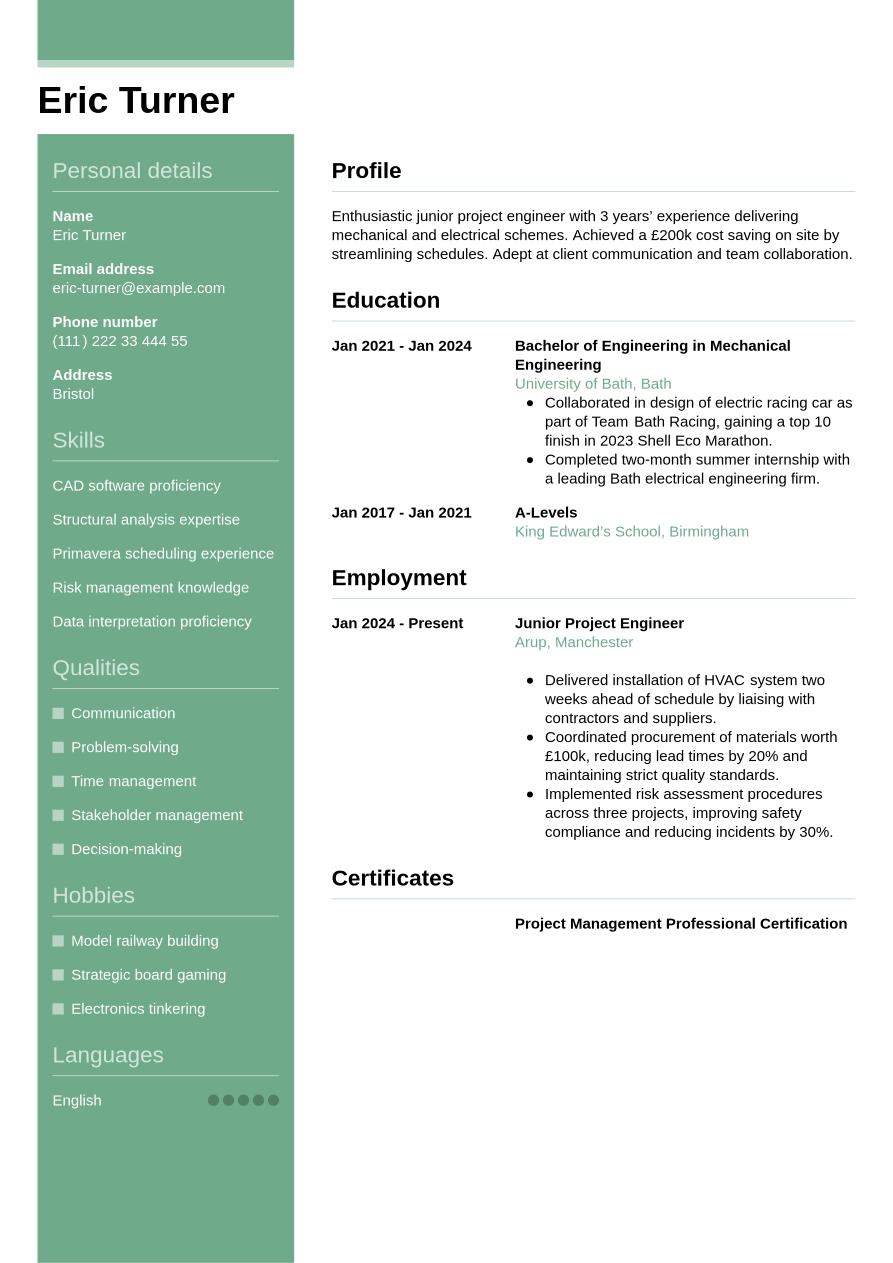
This CV example shows extracurricular activities listed in the education section.
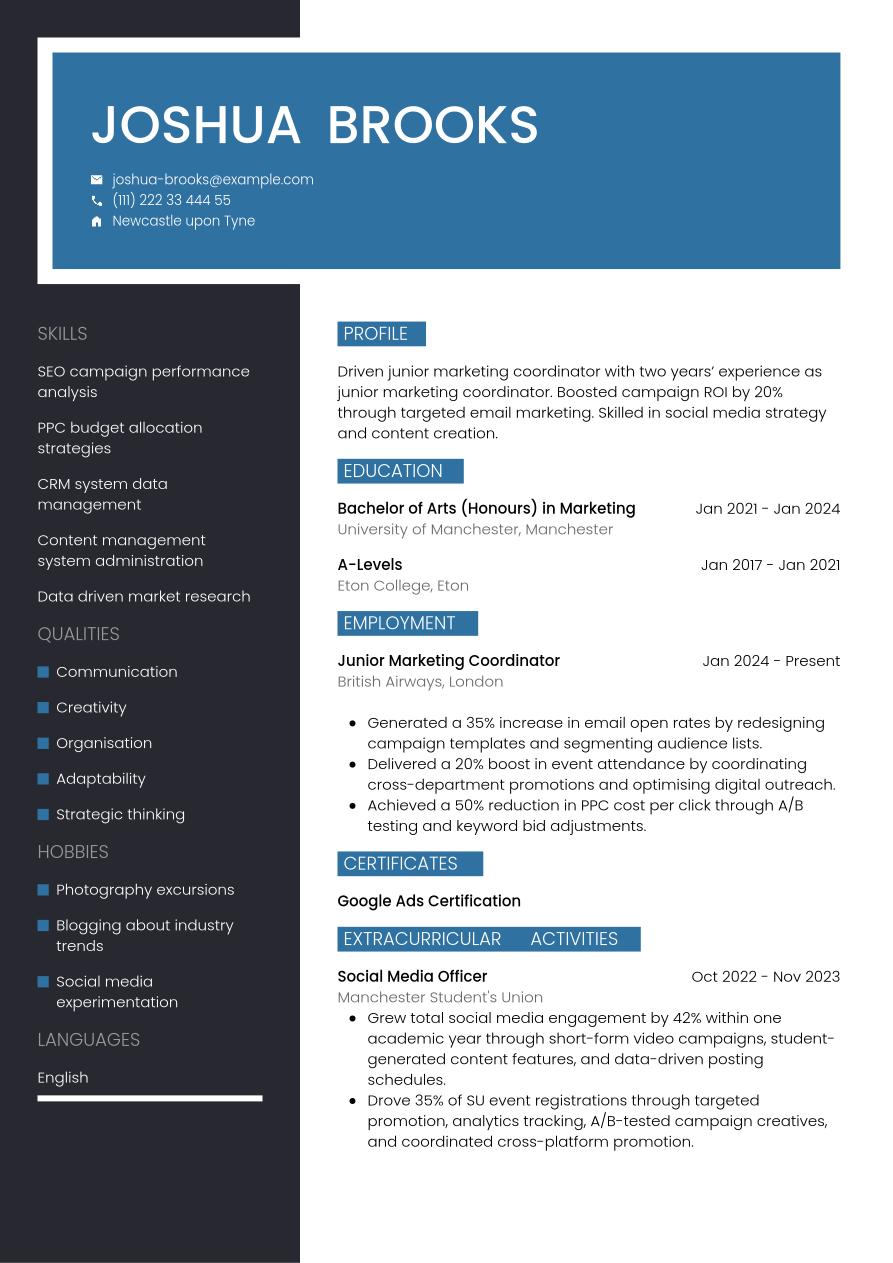
This CV example shows extracurricular activities listed in their own dedicated section.
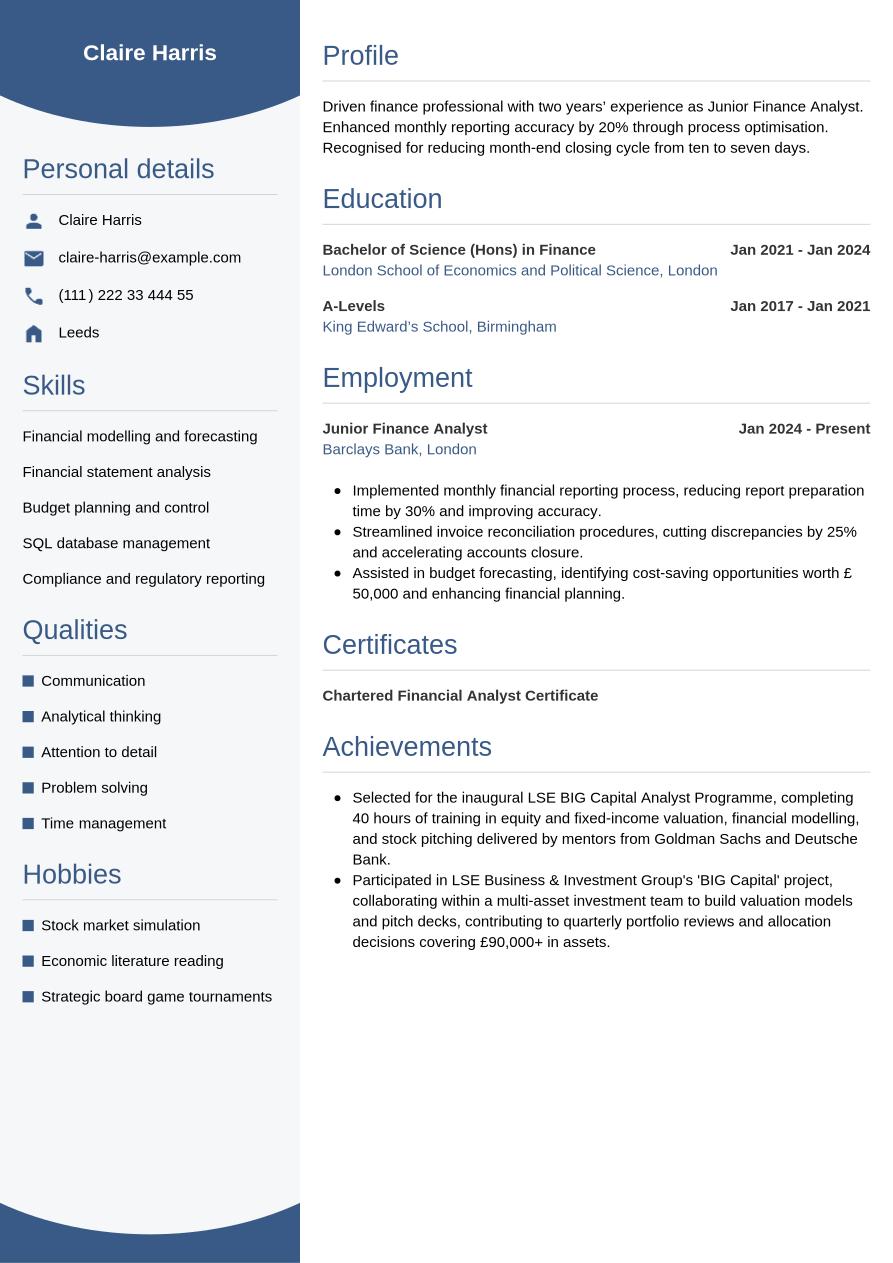
This CV example shows extracurricular activities listed in the achievements section.
Jobseeker Tip: Extracurriculars can also be a way to reinforce your technical skills. For example, if you are a member of the coding club at school and you are seeking an internship or position in computer programming, employers will see that you have made an extra effort to hone your skills and that you enjoy the field enough to spend your free time learning and improving your craft.
Make the most out of your extracurricular activities on your CV
Extracurricular activities are a great way to fill your CV when you're a student or recent grad who lacks professional work experience. Remember these key points when considering whether to add extracurricular activities to your CV:
Choose extracurricular activities that are tailored to the job description |
Showcase soft and transferable skills that you can't prove through work experience or education |
Show how extracurricular activities helped your skills development, with evidence of your achievements |
Add extracurricular activities in you education section, achievements or a dedicated CV section |
Don't mention irrelevant activities and include only your most appropriate, up-to-date participation |
For help creating a CV and cover letter as a student or recent grad, make sure to check out Jobseeker's resources and online tools to make finding your first job a breeze. You can check out Jobseeker's library of CV examples for the role you're applying for. Alternatively, choose a professional CV template and customise the sections and design to suit your experience level and skills.
FAQs about Extracurricular Activities in CV
Should you include extracurricular activities on your CV?
Extracurriculars are a great option for your CV if you have little to no work experience. Getting a job can be challenging, especially if you’ve pursued a course or degree that doesn’t lead straight into a career. By including activities that demonstrate leadership, communication skills and teamwork on your CV, you increase your chances of employers viewing you as a suitable candidate.
Even if you have extensive work experience, your extracurricular activities can be a valuable addition to your CV. They’re a great way to show employers that you have a range of skills and that you’re willing to go the extra mile to develop them.
How many extracurricular activities should I list?
Extracurricular activities shouldn't be the main focus of your CV. You'll still want any work experience, or if you're at the start of your career, your education, to make up the bulk of your CV's content. However, you might wish to mention two or three extracurricular activities on your CV, to help you show your skill set.
Do recruiters really value extracurricular activities?
If your extracurricular activities show skills and achievements that are relevant to the job description, many recruiters and employers will value them. Jobseeker's research shows more than half (57.5%) of HR professionals value volunteer work just as highly as relevant work experience.
When should I include extracurriculars in my CV?
Consider adding extracurricular activities to your CV when you're at the start of your career and you're lacking relevant work experience. Activities you complete in your spare time can help you show the employer you have the necessary soft, transferable, and in some cases hard skills to do the job. Just make sure the activities you mention showcase skills required for the job. As you become more experienced and can list relevant employments and career achievements in your CV, extracurricular activities may become less important.
Can extracurricular activities compensate for a lack of work experience?
Adding extracurricular activities to your CV can compensate for a lack of work experience, if they've helped you develop skills you can use on the job. The importance of extracurricular activities on a CV is increased if you're just starting out in your career. However, you'll want to make sure you only mention activities that are relevant to the role, or prove you have the skills listed in the job description.

Impress employers with your CV
Step-by-step guidance to create a professional CV in minutes.